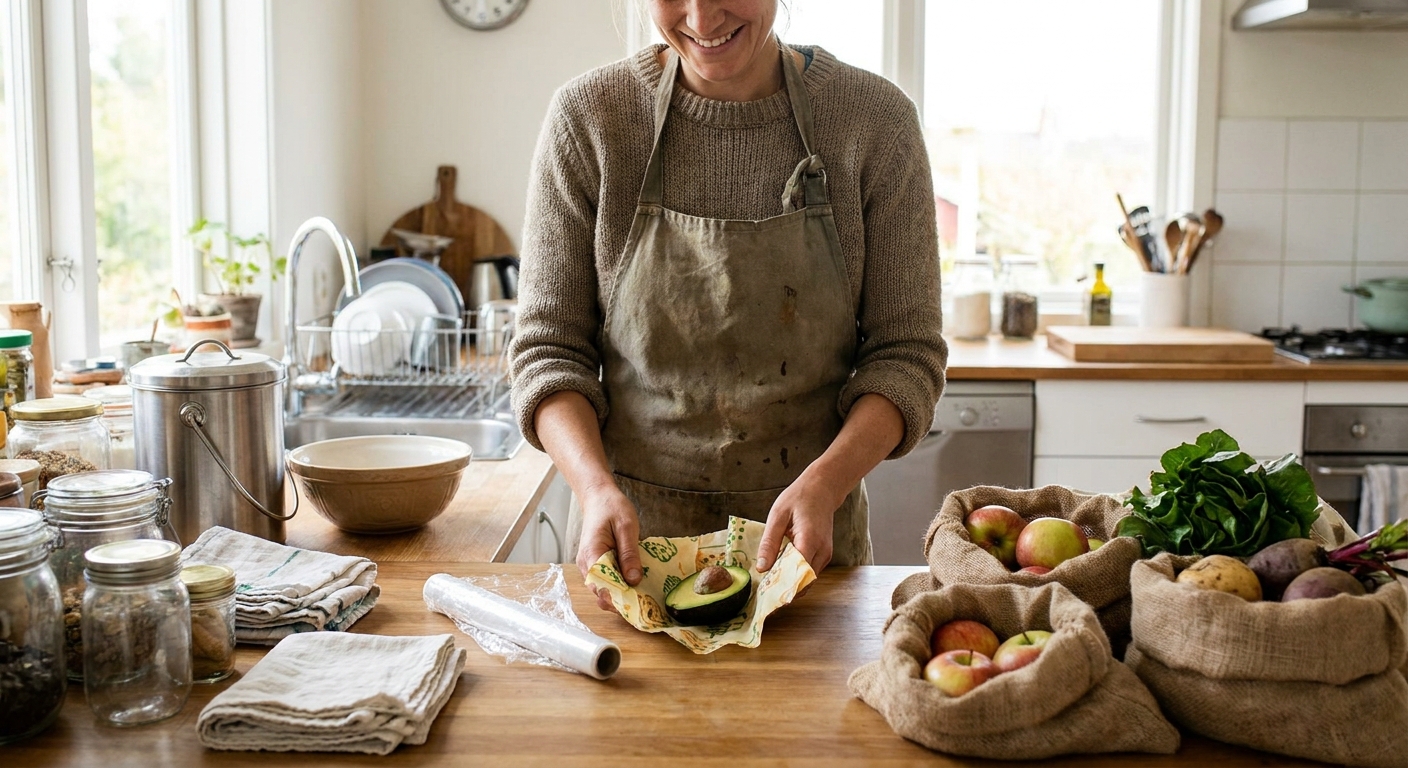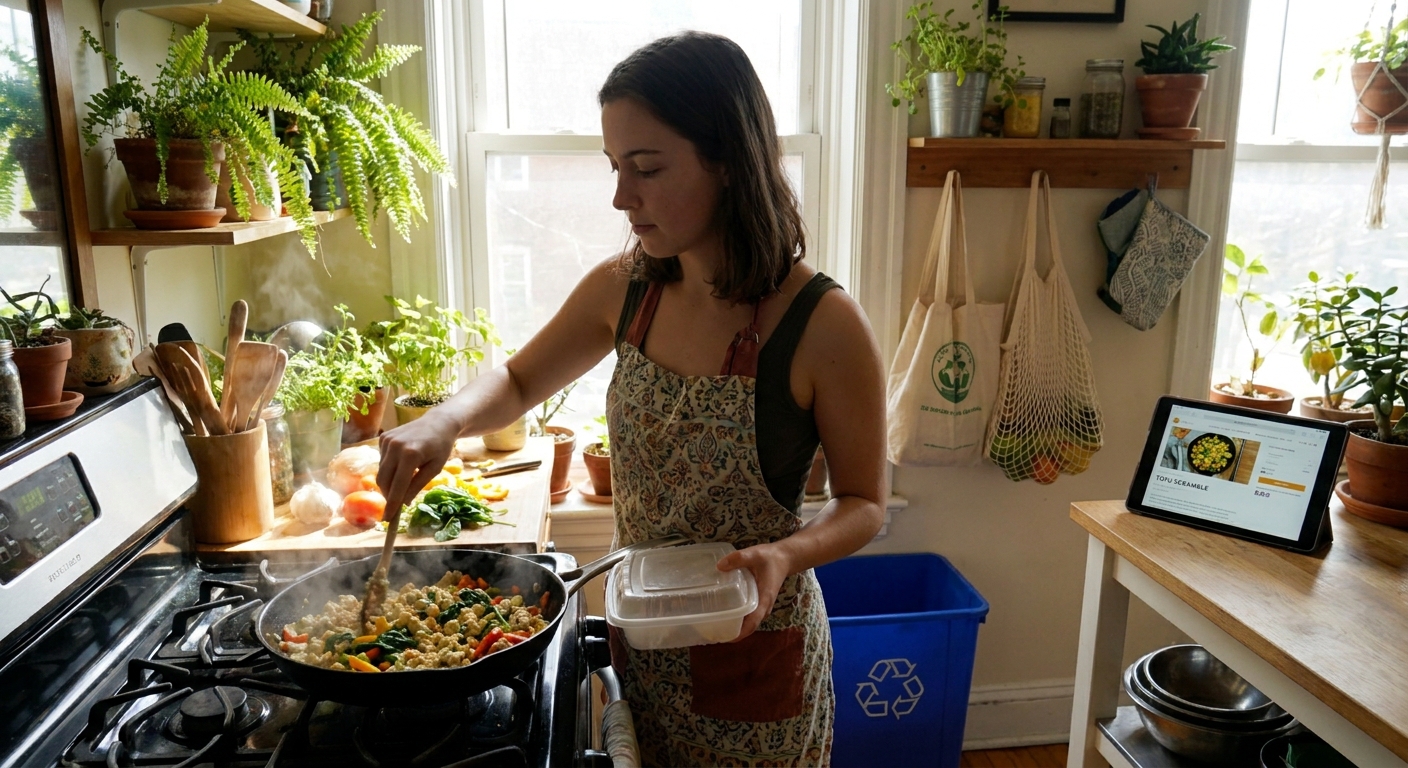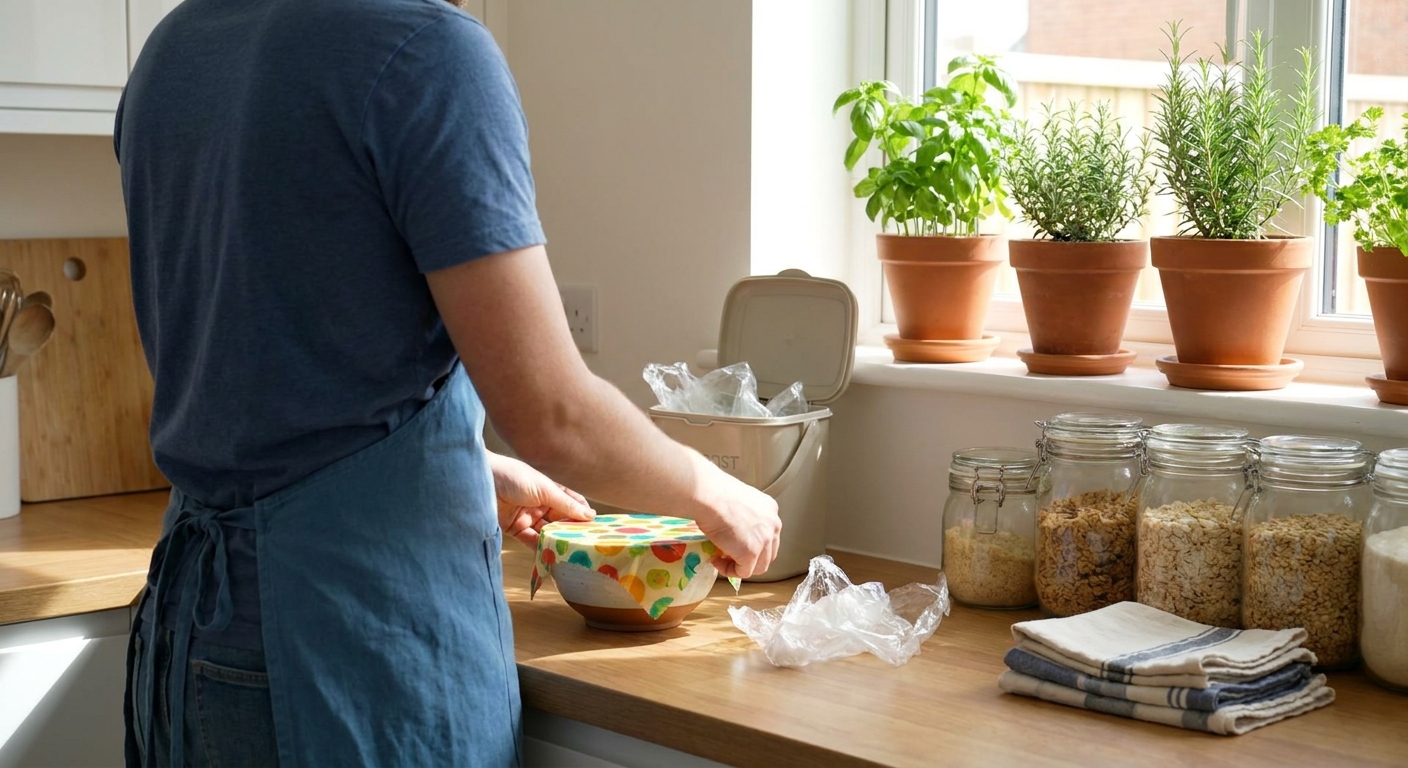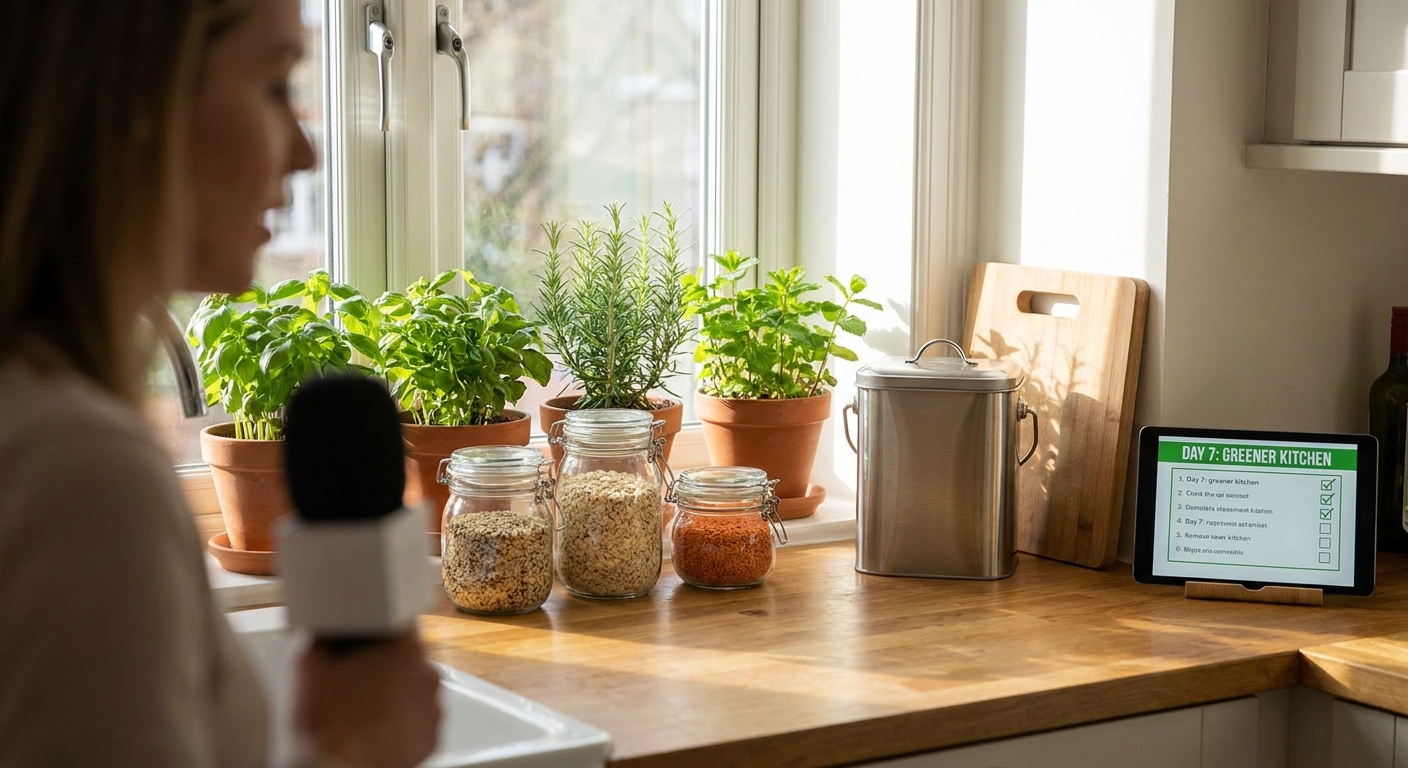
Going green can feel like an all-or-nothing project: either you overhaul everything, or you do nothing and feel guilty. This 30-day roadmap is different. It’s designed to fit into a real life where you still forget the reusable bags and occasionally eat cereal for dinner.
Why 30 Days Is Enough to Change Your Kitchen (Not Your Whole Personality)
We’ll break your green kitchen journey into bite-sized daily actions. Most take under 15 minutes. You don’t need to do them perfectly, and if you miss a day, you can just pick up where you left off.
Week 1: See What You Already Have
Goal: Awareness and small quick wins.
Day 1: The 10-Minute Kitchen Scan
Walk through your kitchen with a notebook or phone:
- List 3 things you throw away often (e.g., wilted lettuce, takeout containers, paper towels).
- List 3 things you buy over and over (bottled drinks, snacks, cleaners).
These patterns will guide your swaps.
Day 2: The “Use Me First” Box
- Designate a shelf or box in your fridge and pantry.
- Move anything close to expiring or already opened there.
You’ve already taken your first step against food waste.
Day 3: Container Audit (No Judgement)
- Gather all your containers, jars, and lids.
- Toss or recycle anything cracked or unsafe.
- Match what you can; note where you truly have gaps.
This stops you from buying storage you don’t need.
Day 4: Choose One Reusable Hero
Pick one item to focus on this month:
- A reusable water bottle
- A coffee mug
- A lunch container
Place it somewhere obvious by the door or sink.
Day 5: Fridge Reset Lite
You don’t need a full deep clean.
- Wipe down the main shelves.
- Group like with like (condiments together, dairy together, leftovers in one spot).
A more visible fridge = less accidental waste.
Day 6: Trash & Recycling Reality Check
Open your trash and recycling bins.
- What’s filling them fastest—plastic packaging, food, cans, paper towels?
- Pick one category to focus on reducing this month.
Day 7: One Simple Cook-at-Home Win
Cook a very easy meal using mostly ingredients you already have. Ideas:
- Pasta + jarred sauce + frozen veg
- Rice + beans + spices
- Omelet or scramble with leftover veggies
This is your baseline. No need to be fancy.
Week 2: Tiny Swaps With Big Payoff
Goal: Reduce waste and costs without major lifestyle overhaul.
Day 8: Start a Cloth Stack
- Cut old t-shirts/towels into rags.
- Store them in a jar or basket on the counter.
Commit to using them for one type of task (e.g., drying hands) this week.
Day 9: Rethink Paper Towels
Place your paper towel roll somewhere less convenient than your cloths.
- Aim to use one fewer sheet per day.
Day 10: Pick a Refill or Concentrate
When a cleaner or soap runs low:
- Research a local refill store or a concentrate option.
- Make a note to switch when your current product is actually finished.
No need to purge what you already own.
Day 11: One Packaging-Smart Grocery Choice
Next time you shop, choose one of these:
- Loose produce instead of pre-bagged.
- The biggest pack you can realistically finish (rice, oats, beans).
- Skipping plastic produce bags when unnecessary.
Day 12: Frozen Food Friendliness
Buy at least one bag of frozen veg or fruit.
- It’s great for lazy nights and reduces waste compared to fresh that spoils.
Day 13: Reuse at Least One Takeout Container
If you order food, wash and save one sturdy container.
- Assign it a job: lunch box, leftover bin, freezer soup container.
Day 14: Make a Zero-Effort Stock Bag
- Keep a bag or container in your freezer for veggie scraps (onion ends, carrot peels, herb stems).
- When full, you’ll turn it into broth.
Week 3: Food Waste & Meal Flow
Goal: Make your kitchen work with your schedule, not against it.
Day 15: The Leftovers Shelf
Choose the most visible fridge shelf and:
- Move all leftovers there.
- Label containers with tape/marker and dates if possible.
Day 16: Leftover Night
Plan one meal this week that is explicitly “eat what’s here.”
- Combine leftovers, make quesadillas, grain bowls, or soup.
Day 17: Simple Meal Template #1
Create one go-to meal formula you can repeat.
Example:
Grain + roasted veg + beans + sauce
Write it on a sticky note near the fridge.
Day 18: Herbs & Greens Rescue
Check your crisper:
- Wilted greens? Sauté them with garlic.
- Soft herbs? Chop and freeze in oil or add to sauces.
You just extended their life and avoided waste.
Day 19: Take Stock (Literally)
If your freezer stock bag is getting full:
- Boil scraps in water with salt for 30–45 minutes.
- Strain and freeze or refrigerate.
Homemade stock = less waste, more flavor.
Day 20: Energy-Smart Cooking
Today, try one of these:
- Put lids on pots.
- Match pot size to burner.
- Turn off heat a couple of minutes early.
They’re simple, but they add up.
Day 21: One Meat-Light or Meatless Meal
Try a meal that leans more on plants:
- Bean chili
- Veggie stir-fry
- Lentil pasta sauce
You don’t have to give up meat. Just experiment with balance.
Week 4: Locking In Habits (Without Locking Out Real Life)
Goal: Turn experiments into realistic routines.
Day 22: Mini Shopping List Reset
Before your next grocery run:
- Check fridge and pantry.
- Note what needs to be used soon.
- Write a list based on meals, not just items.
Day 23: Choose Your “House Meals”
Pick 2–3 meals that:
- Use ingredients you usually have.
- You don’t mind repeating.
- Are quick on low-energy days.
- Stir-fry, quesadillas, simple pasta.
Examples:
These will be your default instead of delivery.
Day 24: Plan for Takeout (Yes, Really)
Accept that takeout will happen.
- Pick a place that uses minimal or recyclable packaging.
- In the app, request no cutlery or napkins.
Green living includes realistic treats.
Day 25: One Intentional Upgrade
If budget allows, choose one item to upgrade:
- A knife you’ll sharpen and keep for years.
- A durable pan.
- A few glass containers.
If not, upgrade nothing. Using what you have is still sustainable.
Day 26: Set Up a Simple Compost Option (If Feasible)
If possible in your area:
- Get a small countertop bin for organic waste.
- Or commit to saving scraps in the freezer and dropping them at a community site once a month.
If composting truly doesn’t fit right now, keep focusing on wasting less.
Day 27: Streamline Your Cleaning Routine
- Keep your most-used cleaner and cloths visible.
- Combine similar products and finish them before buying new.
Simplicity = consistency.
Day 28: Celebrate Your Wins
Write down:
- One habit that feels genuinely easier now.
- One swap that saved you money.
- One thing you tried that didn’t work (and what you’ll do instead).
Sustainability includes learning what doesn’t fit your life.
Day 29: Adjust Your System
Tweak based on experience:
- Move the leftovers shelf if it’s not visible enough.
- Set a weekly reminder for “fridge check” or “leftovers night.”
- Change where you keep cloths or your bottle if you keep forgetting them.
Day 30: Define Your Version of a Green Kitchen
Take 5 minutes and write:
“A green kitchen for me means…”
Maybe it’s:
- Cooking 3 nights a week.
- Wasting less produce.
- Using fewer disposables.
Your definition can (and will) evolve.
What You’ve Actually Done in 30 Days
If you completed even 60–70% of these steps, you likely:
- Reduced your food waste.
- Cooked at home a bit more.
- Started reusing containers and cloths.
- Became more intentional about what you buy.
You didn’t transform into a zero-waste chef. You became slightly more aligned with your values, in a way you can maintain.
The goal wasn’t perfection. It was building momentum.
From here, you can repeat the 30 days, add your own steps, or just keep a few favorite habits. Your kitchen will never be perfectly green, but it can keep getting greener—one lazy, real-life day at a time.