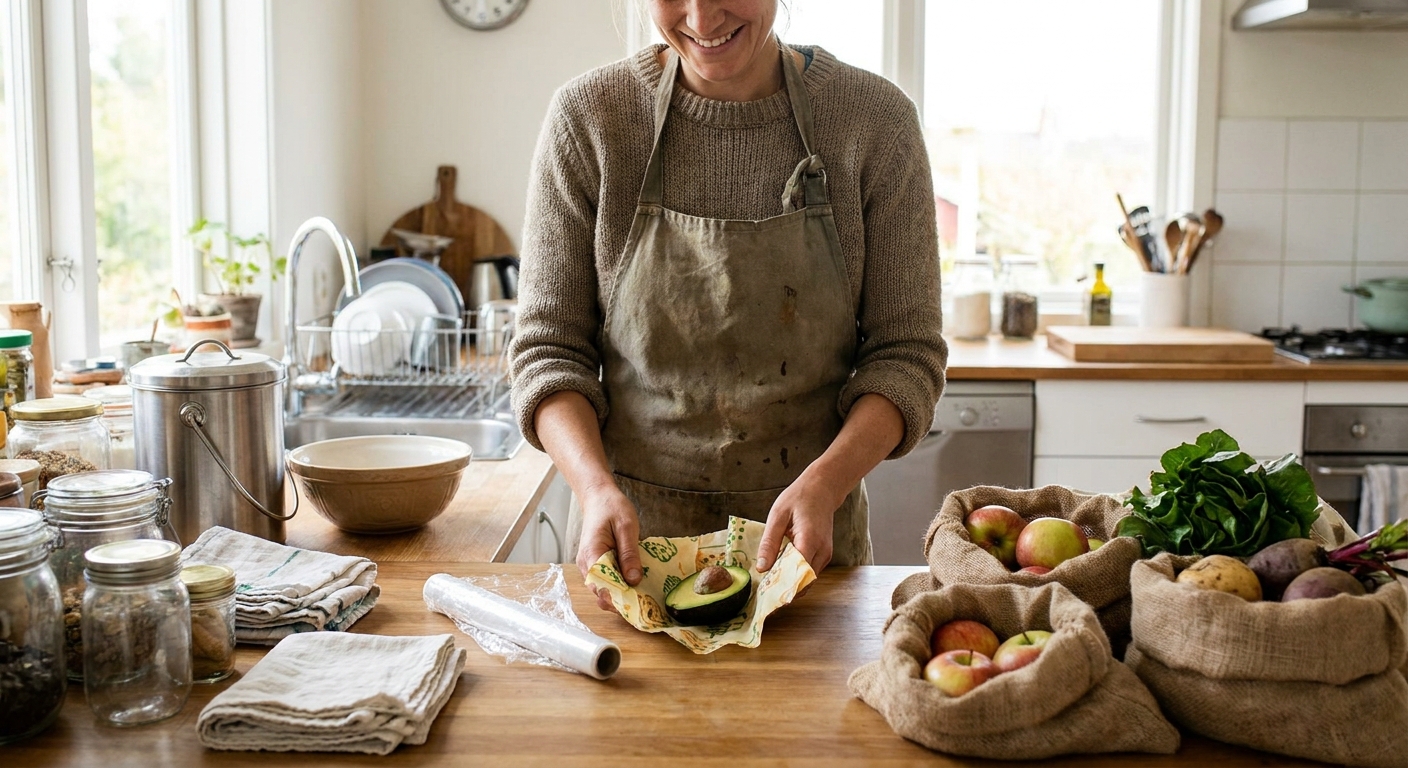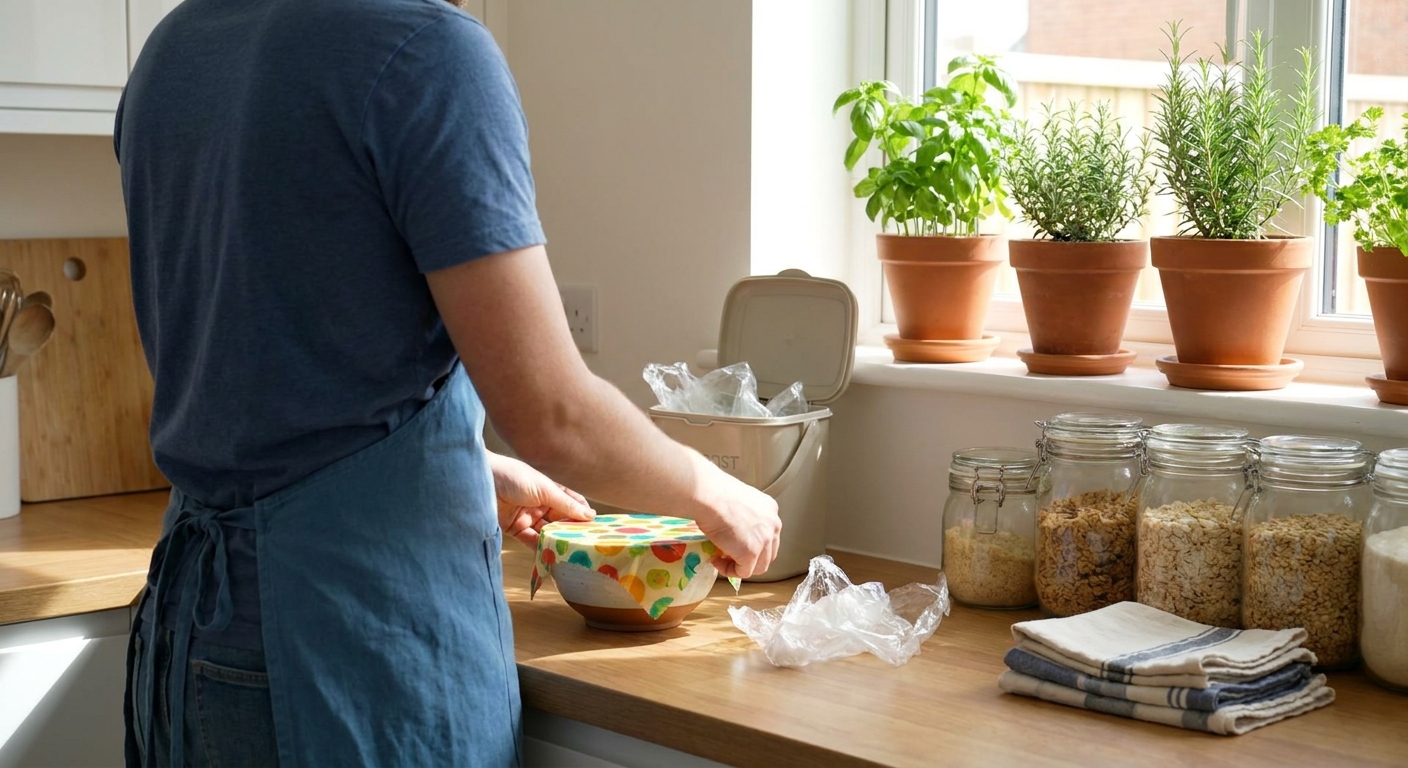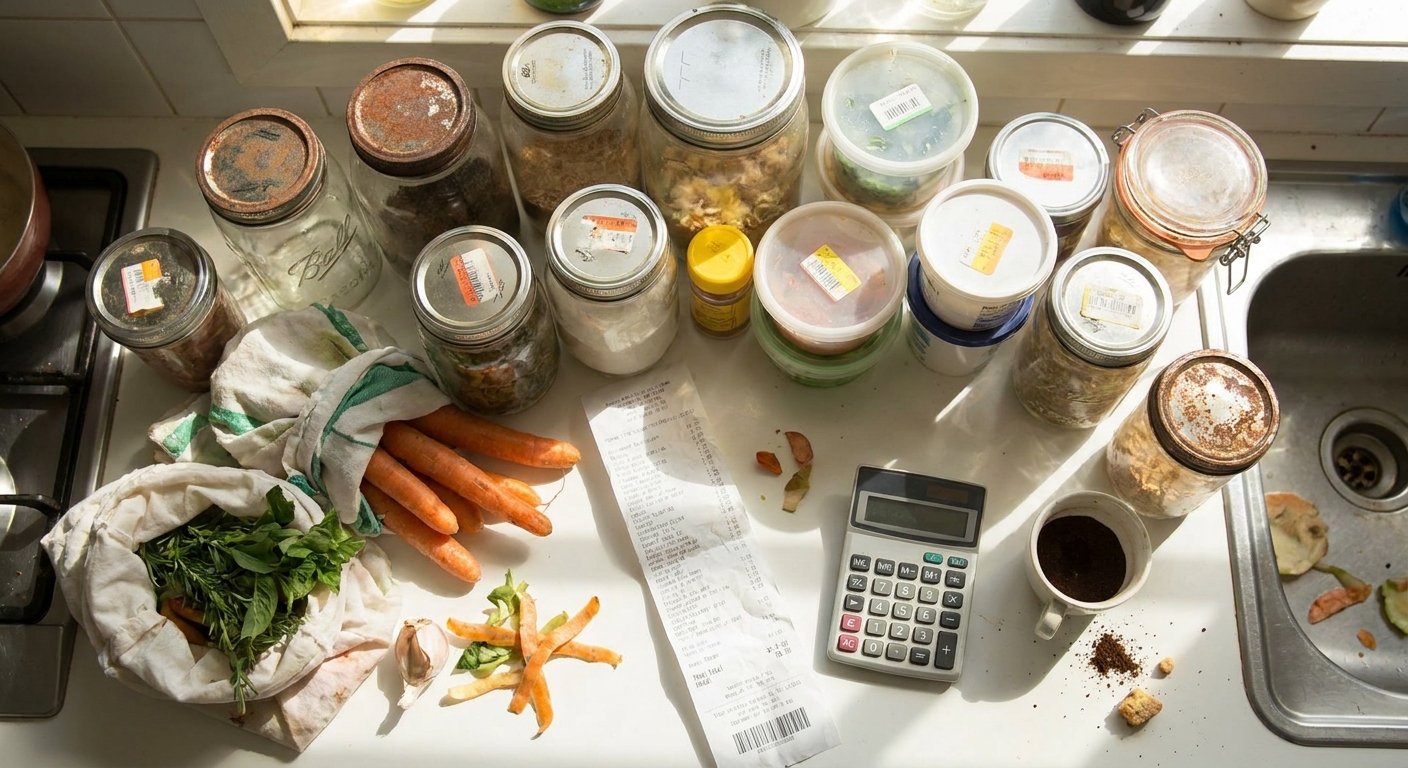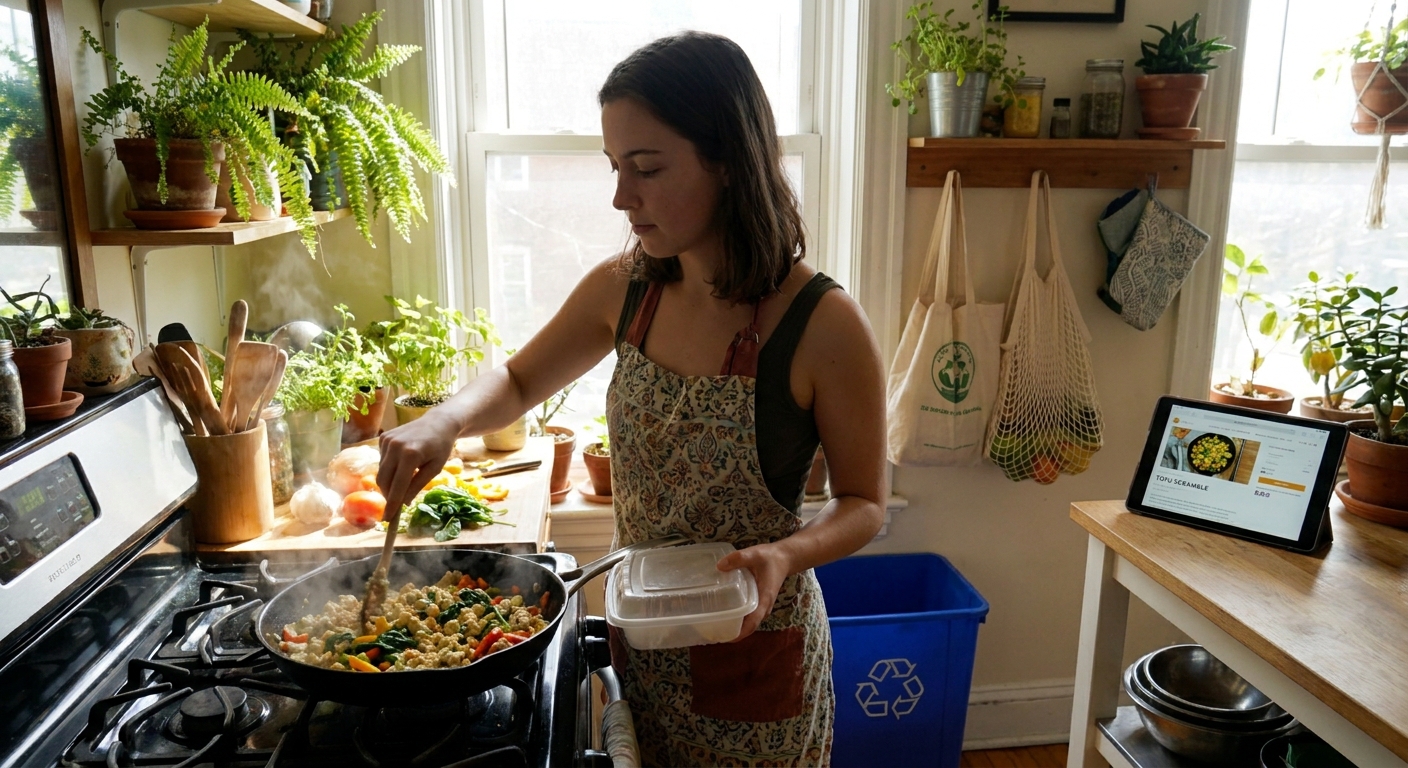
If your reality looks more like a leaning tower of takeout containers than a minimalist cooking channel, you’re in the right place. A green kitchen is less about aesthetics and more about choices—most of which can be made between your fridge and your trash can.
You Don’t Need a Farmhouse Sink to Have a Green Kitchen
This guide is for beginners and for anyone who’s “tried to be eco” and burned out. We’ll start where you are: tired, busy, maybe a little overwhelmed, but still wanting to do better.
Step 1: Map Your Real Life, Not Your Ideal Life
Before changing anything, look at how you actually use your kitchen.
Ask yourself:
- How many nights a week do I realistically cook? Be honest. 2? 3? 0?
- What do I reach for when I’m tired? Frozen pizza, instant noodles, apps for delivery?
- What spoils in my fridge most often? Herbs, lettuce, half-used sauces?
Write this down. This is your starting point—not a judgment, just data.
Step 2: Design a Greener Routine Around Your Energy, Not Your Aspirations
Trying to go from daily takeout to nightly scratch cooking is like deciding to run a marathon when you currently walk to the mailbox.
Start with “one level up” meals
Ask: What’s one step greener than what I’m doing now, but still easy?
Examples:
- If you always get takeout: buy frozen dumplings and a bag of frozen veggies instead.
- If you microwave meals: switch one night to a simple one-pan meal (chickpeas + veggies + sauce).
- If you already cook sometimes: pick one meal each week to make more plant-based or from pantry staples.
These small upgrades reduce packaging, food waste, and often cost.
Step 3: Quick Cost Comparisons (Greener Can Be Cheaper)
Let’s compare a typical weeknight for one person.
Scenario A: Takeout
- Average meal: $15–25 including fees/tip
- 3 nights/week = $45–75
- Packaging: multiple plastic containers, bags, utensils
Scenario B: “Greenish” Home Meals
- Bag of rice: ~$3 (8–10 servings)
- Frozen veggies: ~$3–4 (3–4 servings)
- Tofu or beans: ~$2–3 (2–3 servings)
- Seasoning/sauce: maybe ~$1–2 per overall use
You could feed yourself 3–4 dinners for around $10–12, often with less packaging and less food waste. Even if you still have takeout twice a week for sanity, that’s a major savings.
Important: You don’t have to quit takeout. Aim to replace just one weekly order with an easier, greener home meal.
Step 4: Beginner-Friendly Green Pantry Basics
A green kitchen is powered by a pantry that works harder than your fridge. These basics are cheap, flexible, and long-lasting—and they help you avoid last-minute delivery.
Pantry MVPs
- Dry beans or canned beans – hummus, chili, tacos, curries
- Rice, quinoa, or pasta – form the base of a ton of meals
- Tomato paste & canned tomatoes – sauces, stews, soups
- Oats – breakfast, baking, savory oat bowls
- Onions & garlic – long-lasting flavor builders
Fridge & freezer helpers
- Frozen veggies – almost no prep, less spoilage than fresh
- Frozen fruit – for smoothies or desserts
- Tofu or tempeh – versatile protein that lasts longer than fresh meat
- Eggs – long shelf life, endless uses
Buy most of these in larger packages if you can use them before they go bad; it typically means less packaging per serving and lower costs.
Step 5: Simple Green Cooking Patterns (No Recipes Required)
Instead of memorizing recipes, learn 2–3 basic “patterns” and riff from there.
Pattern 1: Stir-Fry Bowl
- Base: rice or noodles
- Veg: whatever’s around (carrots, cabbage, frozen mixed veg)
- Protein: tofu, tempeh, beans, or leftover meat
- Sauce: soy sauce + garlic + a bit of sweet (sugar, maple, etc.)
That’s it. You can vary the flavor endlessly.
Pattern 2: One-Pot Soup or Stew
- Aromatics: onion + garlic
- Veg: anything sad-looking in your fridge
- Protein: lentils, beans, or meat
- Liquid: water + stock cube or broth + canned tomato
Serve with bread or rice. Easy, filling, low waste.
Pattern 3: Sheet-Pan Meal
- Toss chopped veggies + protein with oil & spices.
- Roast at ~400°F/200°C until browned.
- Serve with grains or bread.
Less cleanup, more leftovers.
Step 6: Manage Waste Without Going Full Zero-Waste
Leftovers strategy
- Keep a “eat soon” box in the fridge door for leftovers and half-used ingredients.
- Pick one night as “leftover dinner” each week.
Food scraps
If composting feels like a big leap:
- Keep a container or bag in the freezer for fruit/veg scraps.
- When full, make vegetable stock (boil with water and salt, then strain), or look for a local compost drop-off.
Even freezing scraps instead of tossing them immediately can help you see what you waste most.
Step 7: Tiny Habit Changes with Big Impact
You don’t need more hours in the day—just slightly different habits.
5-minute green habits
- Check your fridge before shopping – snap a quick photo of your shelves.
- Prep one thing, not a whole week – wash lettuce, cook a pot of rice, or chop a few veggies.
- Fill a water bottle instead of grabbing bottled drinks.
- Turn off the oven early – use residual heat to finish cooking.
These don’t require personality changes, just tiny routine shifts.
Where Reusables Actually Make Sense (And Where They Don’t)
Worth it over time
- Sturdy containers – perfect for leftovers and packing lunches
- Reusable coffee filter or French press – less ongoing waste
- Good-quality pan – you’ll cook more if your cookware isn’t terrible
Maybe skip (or buy later)
- Specialized containers for every single thing
- Matching jars for your entire pantry (beautiful, but not necessary)
- Every trendy "eco" gadget that shows up in your feed
Focus on what will reduce waste and actually fit your habits.
A Realistic “Greener Week” Example
Imagine this simple shift:
Before:
- 4 takeout dinners
- Veggies often rot in the drawer
- Frequent single-use plastic from food and drinks
- 2 takeout dinners (you enjoy them even more)
- 3 easy home meals built around pantry + frozen veg
- Leftovers become lunch at least once
- You use a reusable bottle and say no to cutlery with delivery
After:
Not perfect. Still progress.
You’re Allowed to Be Inconsistent
Some nights you’ll proudly turn sad vegetables into a cozy soup. Other nights you’ll eat fries from a plastic-lined bag in front of a show. Your sustainability doesn’t reset to zero because of one tired decision.
A greener kitchen is about trending in a better direction over time. If, month by month, you:
- cook a bit more,
- throw away a bit less,
- and make a few smarter purchases,
you’re already doing the work.
Keep the takeout menu on the fridge. Just add a bag of rice and a block of tofu next to it in the kitchen. That’s how real-life green starts.