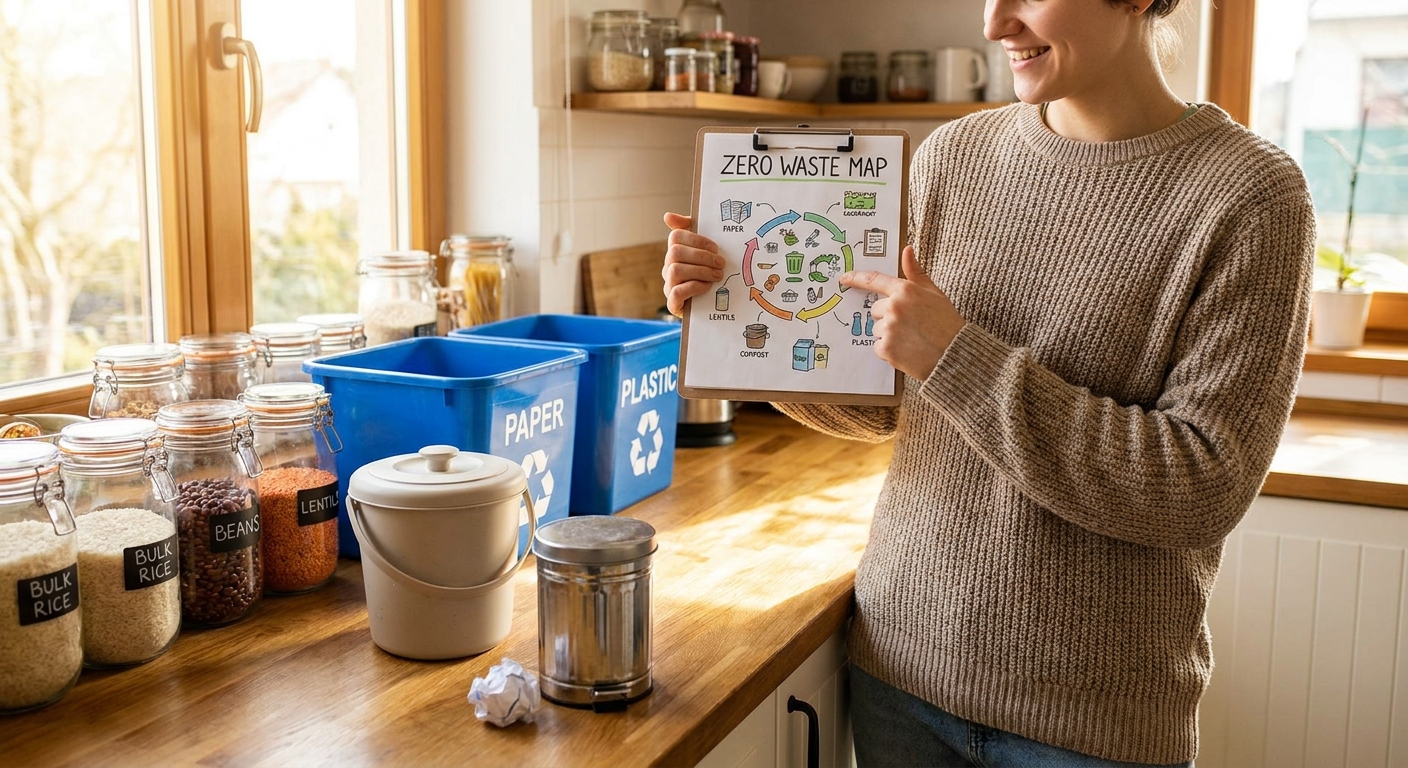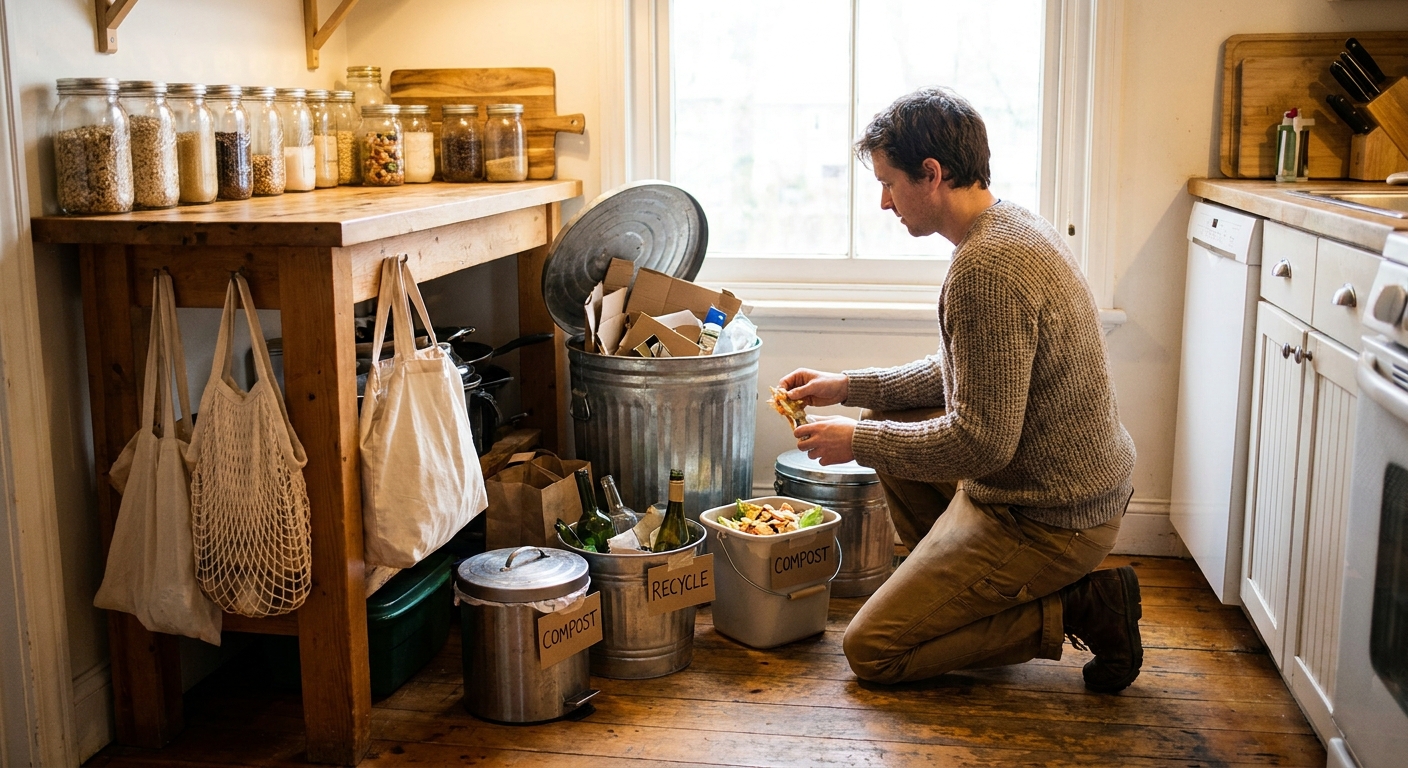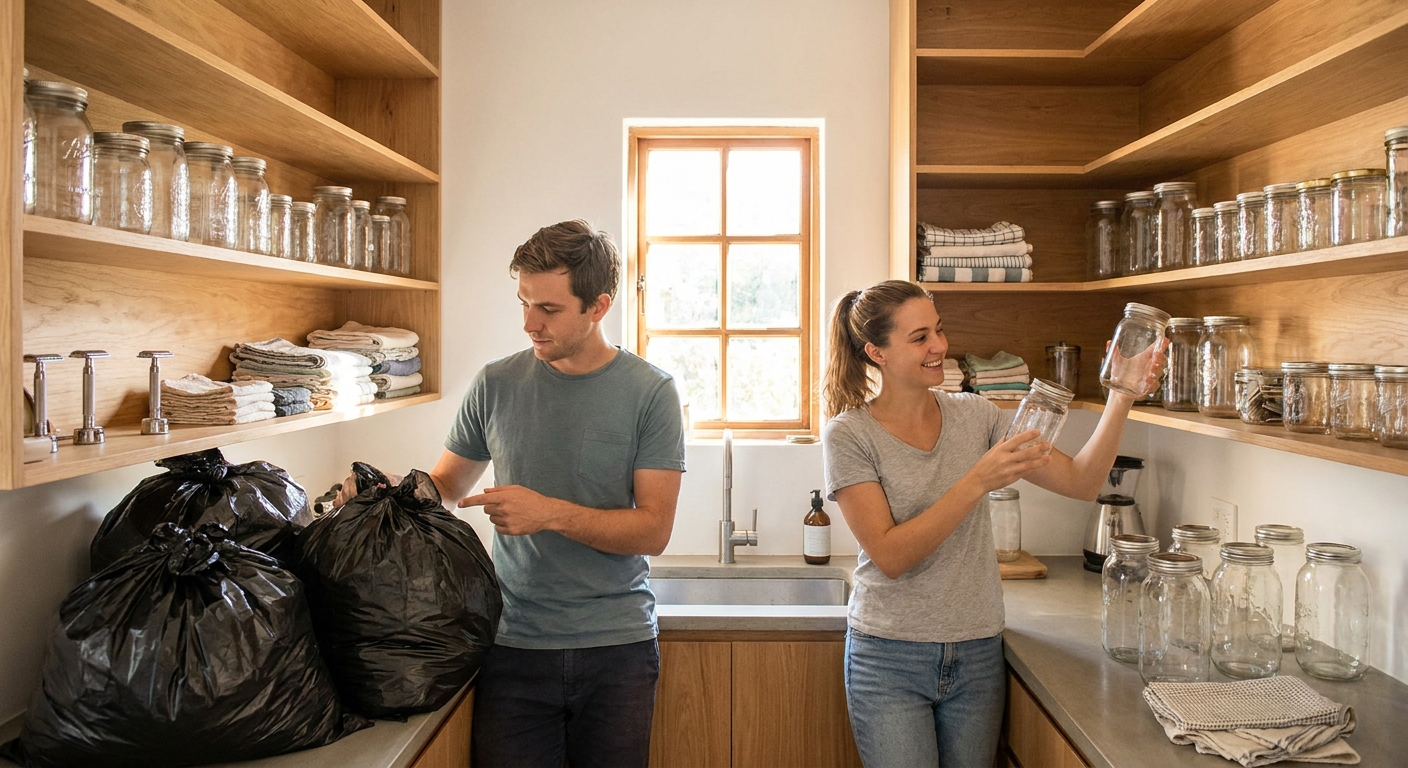
Zero Waste has a reputation problem: it can look expensive and aesthetic-first—matching jars, artisanal brushes, everything in earthy tones. The truth is, low waste living is often cheapest when it’s the least Instagrammable.
Zero Waste That Your Wallet Can Get Behind
This list focuses on swaps that:
- Cut your trash and your costs
- Work for real, busy people
- Don’t require a full lifestyle makeover
Pick one or two to start. No gold stars for doing them all at once.
1. Paper Towels → Old T-Shirts & Cloths
Why it matters: Paper towels are single-use trees and money.
Cost comparison (1 year):
- Paper towels: 1–2 rolls/week at $2/roll = $104–$208
- Cloths: $0 if you cut up old shirts/towels, or ~$15–20 one-time
How to start:
- Cut old t-shirts into squares.
- Store a stack where you’d normally keep paper towels.
- Keep a small bin or hook for used cloths; toss in with regular laundry.
Reality check:
You don’t need to ban paper towels completely. Use cloth for everyday messes and keep a roll for pet accidents or true emergencies.
2. Bottled Water → Reusable Bottle + Tap
Why it matters: Plastic bottles are resource-intensive and rarely recycled into new bottles.
Cost comparison (1 year):
- Bottled water: ~3 bottles/week at $1.50 = $234
- Reusable bottle: $15–30 one-time; tap water cost is minimal
How to start:
- Use any bottle you have (doesn’t need to be fancy).
- Refill at home, work, cafes, public fountains.
- If your tap water tastes off, try a simple filter pitcher.
Reality check:
If you forget your bottle sometimes and buy water, you’re still using less than before. Progress still counts.
3. Pre-Packaged Snacks → Bulk or DIY-ish Snacks
Why it matters: Snack wrappers add up shockingly fast in most trash cans.
Cost comparison (approx.):
- Individually packaged chips/nuts: $6–8/lb equivalent
- Bulk nuts/dried fruit/popcorn kernels: $3–5/lb
How to start (low effort):
- Buy larger bags instead of single-serve packs.
- Portion them at home into jars or containers.
- Keep a “snack kit” at work or in your bag.
Bonus savings: You’re less likely to impulse-buy expensive snacks when you’ve got something on hand.
4. Liquid Soap in Pumps → Bar Soap
Why it matters: Pump bottles = recurring plastic.
Cost comparison:
- Liquid body wash: ~$6–10 per bottle, lasts 3–4 weeks for a family
- Bar soap: ~$3–6 per bar, often lasts similar or longer
How to start:
- Switch your next purchase to bar soap in paper or cardboard.
- Use a soap dish with drainage so bars last longer.
Reality check:
If your household won’t let go of liquid soap for hands, keep that and switch just body wash first. One swap is better than none.
5. Disposable Razors → Safety Razor
Why it matters: Disposable razor heads are plastic-and-metal hybrids, not easily recycled.
Cost comparison (2 years):
- Disposable cartridges: ~$20 for 8; 12 packs over 2 years ≈ $300+
- Safety razor handle: ~$30 once
- Blades: ~$10 for 100, often lasting 1–2 years
How to start:
- When your current pack runs out, research beginner-friendly safety razors.
- Watch a 3-minute tutorial; the technique is slightly different.
Reality check:
If a safety razor feels scary, that’s valid. You can delay this swap or just use it for legs/less sensitive areas first.
6. Single-Use Coffee Cups → One Mug You Actually Like
Why it matters: Most disposable cups are lined with plastic and not recyclable in many places.
Cost comparison:
- Daily takeaway coffee in disposable cups = ~365 cups/year
- Many cafes offer discounts (10–50¢) for reusables
Potential savings:
10¢/day = ~$36.50/year, 25¢/day = ~$91.25/year
How to start:
- Commit to using a reusable mug 1–3 times/week, not all 7.
- Keep a cup at work and one in your bag or car.
Reality check:
If you forget your mug and you’re exhausted? Buy the coffee. Try again next time. This is a habit, not a legal contract.
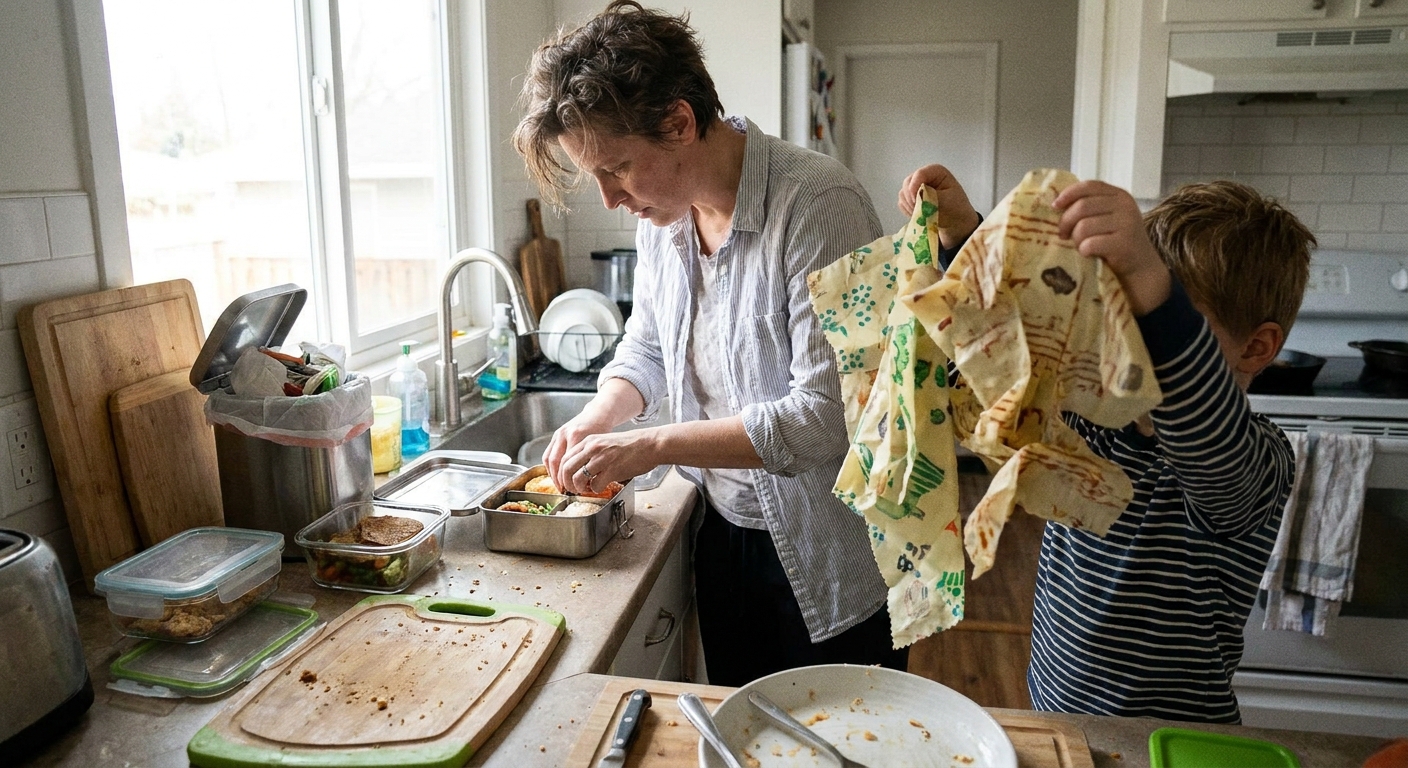
7. New Storage Containers → Reused Jars & Takeout Boxes
Why it matters: Buying brand-new matching containers creates more production demand.
Cost comparison:
- New glass container set: $25–60
- Reused jars: free with groceries you already bought
How to start:
- Save jars from pasta sauce, nut butters, jam.
- Use them for: leftovers, freezing soup, taking lunch, bulk shopping.
Bonus: Glass jars look charming even when they’re mismatched.
8. Fast Fashion → Secondhand & Fewer, Better Basics
Why it matters: Clothing production is resource-heavy; many pieces are worn only a handful of times.
Cost dynamic:
- Fast fashion: cheap upfront, but wears out quickly, tempting frequent rebuys.
- Quality basics: higher upfront, last longer, cost less per wear.
How to start:
- Pick one category this season: jeans, jackets, workout clothes.
- Check thrift stores, online resale apps, or clothing swaps first.
- Aim for “would I wear this 30 times?” before buying.
Reality check:
Buying fast fashion sometimes may still be what fits your budget or body. Balancing secondhand + mindful new purchases is still a huge improvement.
9. Single-Use Cleaning Products → Concentrates or DIY
Why it matters: Every separate cleaner = separate bottle, shipping weight, ingredients.
Cost comparison (rough):
- Standard all-purpose cleaners: $3–6 per bottle
- Concentrate: $10–15, makes 6–12 bottles
- DIY (vinegar + water + a little soap): pennies per refill
How to start:
- When your cleaner runs out, buy a concentrate or refill.
- Reuse the same spray bottle.
Reality check:
If DIY feels like one task too many, buy a ready-made concentrate. Sustainability shouldn’t depend on you becoming a part-time chemist.
10. Mindless Online Orders → Slower, Batched Buying
Why it matters: Every order = packaging + transport emissions.
Cost benefits:
- Fewer impulse purchases
- Less “oh, I forgot I ordered this” clutter
How to start:
- Keep a running list instead of 1-click buying.
- Set a rule: order once a week or once every two weeks.
- Use that pause to ask: Do I still want/need this?
Imperfect Swaps Still Count
You don’t need to:
- Switch every product to a zero-waste version
- Spend a lot of money on sustainable brands
- Live a life that looks like a Pinterest board
Start with the cheap, boring changes that save you money and trash first. Then, if and when you have capacity, you can explore fancier switches.
If today your version of Zero Waste is reusing a jar and skipping paper towels once, that’s a win. If tomorrow you forget your tote and end up with plastic bags, you’re still the same person who tried.
This is not a purity test. It’s an experiment in wasting less, spending smarter, and building habits that actually fit a real life—takeout containers and all.